Automation in HR IT: The symbiosis of AI effectiveness and human strategy

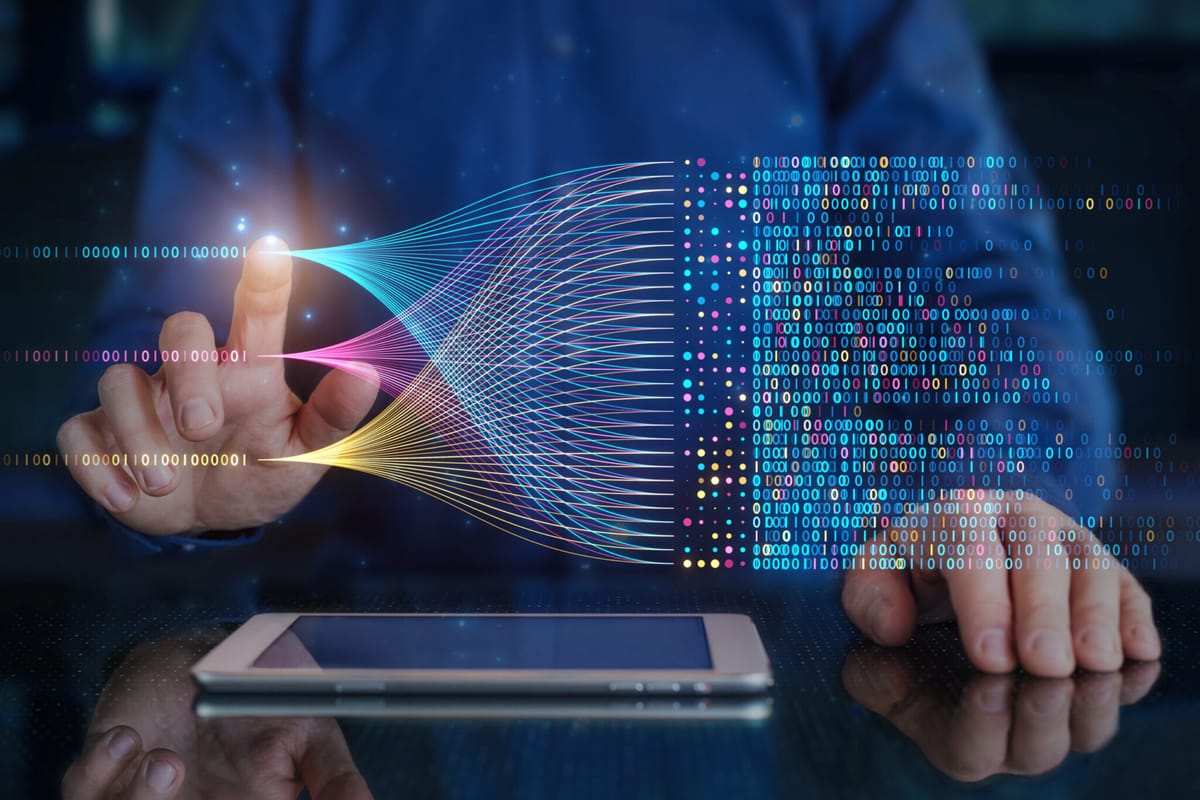
HR departments face a double challenge: they must not only source the best talent, but also adapt the latest tools to do so effectively. Artificial intelligence and automation are revolutionising the industry, but do they aim to replace humans? On the contrary.
Modern HR is a story of symbiosis, in which technology becomes a powerful tool in the hands of a human strategist.
A new division of roles in modern HR
Automation is redefining tasks in HR, creating a clear and logical division of responsibilities. AI and algorithms are taking over operational, analytical and repetitive tasks, allowing specialists to focus on what is human: building relationships, creative problem-solving and developing a talent strategy that realistically supports the business. This is an evolution of the role, not an elimination of it.
Where does AI realistically support HR? A data-driven foundation
Before moving on to strategic benefits, it is worth understanding where technology is already delivering the greatest value. Artificial intelligence is adept at processing huge sets of information, making it the ideal support for tasks that have previously taken up the lion’s share of HR teams’ time.
“AI-supported HR process automation in IT mainly improves employee data management, performance monitoring, note-taking and correlating different data sources.” – says Karol Wasilewski, Head of Recruitment at RITS
It is this solid foundation – structured and intelligently processed data – that allows better, more informed decisions to be made at higher levels.
Recruitment with AI: An opportunity for efficiency and a risk for competence
Recruitment is one of the first areas where AI has shown its capabilities. Analysing thousands of CVs in a few minutes or pre-assessing cultural fit is a huge help, but it also carries some risks.
“AI can also assess CVs against requirements, but using AI alone can severely limit a recruiter’s competence if not taken care of in other ways. (…) Cultural matching using AI is helpful in analysing communication patterns and preferences, which supports recruitment and reduces turnover. However, AI cannot assess subtle soft skills and cultural nuances, so humans remain essential.” – highlights Karol Wasilewski, Head of Recruitment at RITS
Technology can tell us whether a candidate meets the technical criteria, but only a human can assess how they will interact with the team, how they will handle pressure and whether their values align with the company culture. Over-reliance on a machine can dormant a recruiter’s most important sense – intuition backed by experience.
The greatest value of automation: Human time
The most important benefit of automation, then, is not the technology itself, but the resource it gives back – time. Time that can be devoted to activities with the highest added value.
“Automation tools relieve the burden on HR teams by completing repetitive tasks, thus leaving time for creative meetings and relationship building, which increases motivation and employees have more space for constructive tasks.” – says Karol Wasilewski, Head of Recruitment at RITS
When the algorithm schedules meetings, the recruiter can focus on preparing for the interview. When the system analyses the data, the HR Business Partner can spend time talking to the leader about their team’s development strategy. It is in these interactions that the true value of HR lies.
The perfect balance – humans as strategist, AI as doer
The AI revolution in HR is not leading to a world without people. On the contrary, it is creating an environment where human competencies – empathy, strategic thinking, creativity and relationship building – become more valuable than ever before.
“In summary, AI is taking over operational/repeatable tasks, with humans taking on advisory and strategic roles, combining efficiency with retaining the human dimension.” – Karol Wasilewski concludes
The ultimate goal is an intelligent symbiosis: the efficiency of machines combined with the wisdom and strategic insight of humans. This is the future of HR, which is happening before our eyes.