Samsung hits record high on the stock market - is the AI chip boom sustainable?

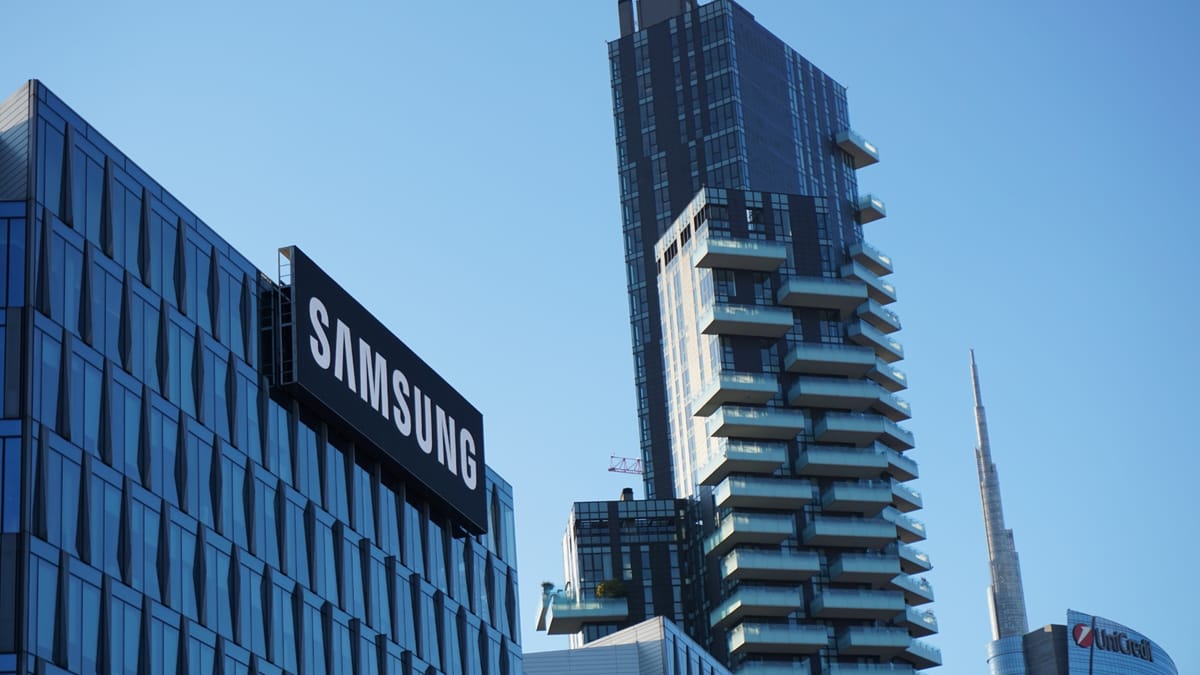
Samsung Electronics shares rose to a record high of 96,900 won on Thursday, piercing the 2021 peak and ending the session up more than 0.9 per cent. The company’s share price has risen nearly 80% since the start of the year, making it one of the main beneficiaries of the global euphoria around semiconductors and artificial intelligence.
Investors are responding primarily to the growing demand for HBM (High Bandwidth Memory), key to the development of AI models. Samsung, alongside SK Hynix and Micron, is one of the few manufacturers capable of mass producing these chips. However, questions can be heard in the background: can the memory market keep up the pace of the AI boom, or is this just another cyclical wave like those of 2017-2018?
Analysts point out that the current boom is different from previous ones – this time demand is being driven by hyperscalers and AI accelerator manufacturers such as Nvidia, rather than the smartphone or PC market. At the same time, Samsung is announcing aggressive investments in new production lines and development of HBM4 chips, hoping to gain a technological edge ahead of the competition.
However, the memory market remains capricious. DRAM and NAND prices have rebounded after a two-year slump, but profit margins remain dependent on the Big Tech investment cycle. Any delay in AI projects or slowdown in data centre spending can quickly cool enthusiasm.
For now, Samsung is benefiting from the global narrative: semiconductors are the new oil of the AI era. The record ratings are a signal of the market’s faith in this slogan. The real test is yet to come – when, instead of speculation, there will be hard pressure on performance and the ability to deliver to the most demanding AI customers.