Social media not for Danish children. Denmark bans

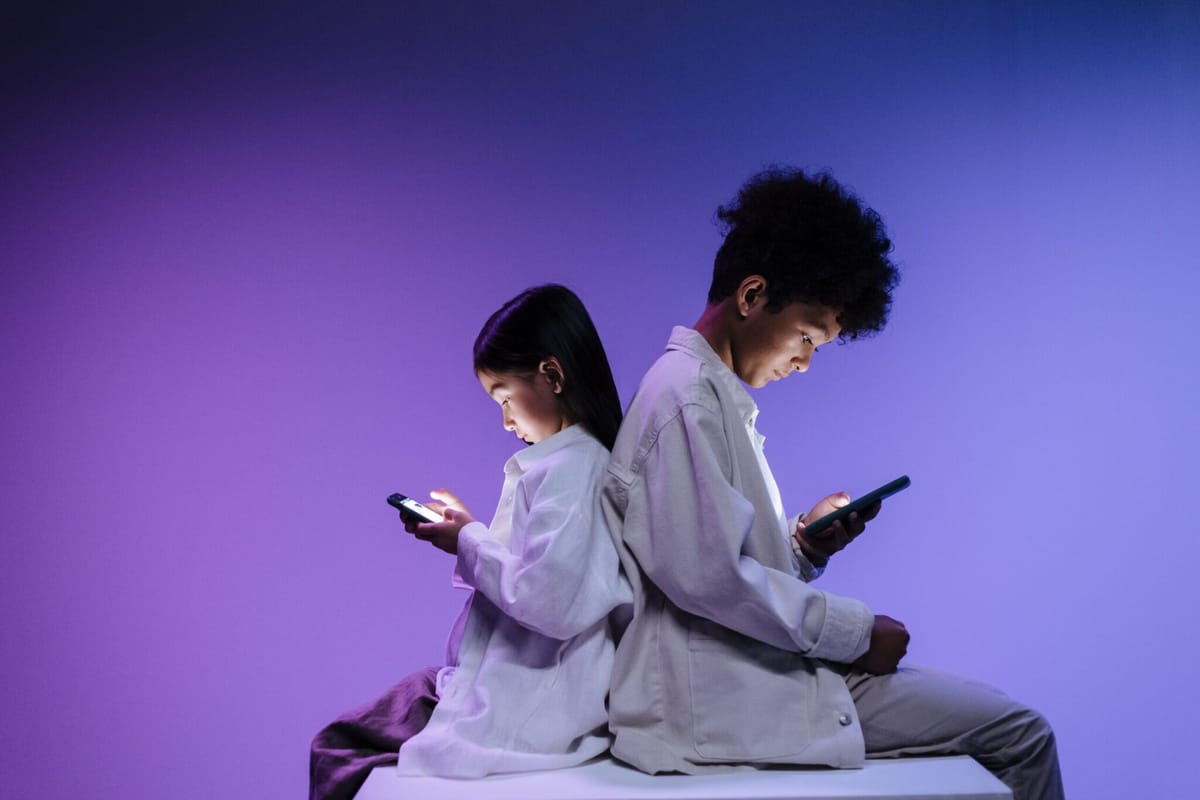
Denmark wants to be the first country in Europe to cut screen time for the youngest – and it will do so not just with a social media campaign, but with tough regulation. The government has announced a ban on social media for children under the age of 15. Parents will be able to grant exceptions for children aged 13 and over – for example, if the platform is needed for class communication. But the direction is clear: the state wants to take children out of the algorithms.
Prime Minister Mette Frederiksen already announced last month that the government would be tightening the course. Digital Minister Caroline Stage Olsen said that social media “steals time, childhood and well-being”. Most parties in the Folketing declare support. Technology companies are officially waiting for legislative details – but quiet resistance in the industry is certain. Denmark is following in the footsteps of Australia, which a year ago banned social media until the age of 16.
Data from the Danish Competition and Consumer Agency shows that young people spend an average of 2 hours and 40 minutes a day on social media. Most often – on Snapchat, YouTube, Instagram and TikTok. It is these platforms that will be hit. Alphabet and Meta can survive this because they also monetise adults. But TikTok, which is growing in Europe mainly through teenagers, has a real problem.
This decision is also a signal to Brussels. The EU has started to regulate platforms systemically through DSA and DMA. Denmark is taking it a step further – it is not asking for platforms’ consent, it is taking away their demographics. If this experiment succeeds, the pressure for similar moves will increase. Then the ‘screens vs. mental health’ argument will change scale – from a media debate to a government debate.